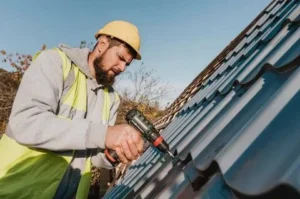
Your roof works 24/7 to protect your home from harsh sunlight, freezing snow, heavy rain, and destructive winds. However, because it sits out of daily sight, minor structural issues often turn into severe leaks long before homeowners realize there is a problem. Ignoring small signs of wear leads to rotting framing, ruined drywall, mold infestations, and massive emergency repair bills.
By conducting regular visual checks, you can spot early roofing damage and hire a certified professional before water reaches your interior living space.
1. Missing, Cracked, or Curling Roofing Shingles
Asphalt shingles are designed to lay completely flat against the roof deck to seal out moisture.
-
Curling Shingle Edges: Indicates that shingles are dried out, weathered, and reaching the end of their operational lifespan.
-
Cracked Shingles: Thermal expansion during hot days and cooling nights creates stress fractures where rain enters easily.
-
Missing Shingles: Severe wind gusts can lift and snap away brittle shingles, leaving your underlayment exposed directly to rain.
2. Excessive Shingle Granules Accumulating in Rain Gutters
Asphalt shingles are coated with hard mineral granules that shield them from ultraviolet (UV) sunlight and impact damage. When shingles reach the end of their life cycle, these granules loosen and wash into downspouts. If your gutters look like they are filled with coarse black sand, your roofing shingles have lost their weatherproofing capabilities and require replacement soon.
3. Loose, Damaged, or Rusted Roofing Flashing
Roofing flashing consists of metal strips placed around chimneys, skylights, dormers, and vent pipes to divert water away from critical seams. If flashing bends, rusts, or breaks away from the sealant, rainwater will run straight into your attic space and inner walls.
4. Visible Sagging along the Roofing Ridge or Decking
A sagging roofline is a structural emergency. It signals that long-standing hidden leaks have softened the plywood sheathing or rotted the load-bearing rafters underneath. If your roofline looks uneven or bowed from the street level, call a roofing specialist immediately to prevent potential section collapse.
5. Water Stains and Discoloration on Upper Ceilings or Walls
Yellow, brown, or dark ring-shaped water spots on ceilings are direct indicators that water has breached your roofing layer, saturated the attic insulation, and leaked into your ceiling drywall.
6. Moss, Algae, and Lichen Growth on Shingles
Green moss or lichen clinging to shingles isn’t just an aesthetic issue; moss holds moisture like a sponge directly against the roof surface. In freezing weather, trapped water expands, lifting shingle edges and creating direct paths for structural water intrusion.
7. Blistered Shingles Driven by Poor Attic Ventilation
When an attic lacks proper ventilation, heat and humidity build up directly under the roof deck. This extreme temperature causes the oils within asphalt shingles to boil, producing raised blisters on shingle surfaces that easily pop and crumble away.
Don’t Wait for the Next Heavy Storm!
Protect your largest home investment today. [Find top-rated, certified local roofing contractors on Safe Spruce!]