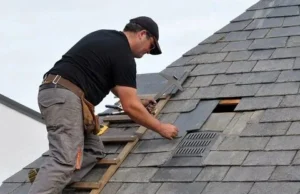
Seasonal weather changes put continuous stress on your home’s roof. Thermal contraction, heavy downpours, scorching heat, and ice formation can slowly wear down materials over time.
By following a biannual maintenance schedule in Spring and Autumn, you can extend the life of your roof by up to 10 years and catch minor defects before they become costly emergencies.
🌸 Spring Roofing Maintenance Checklist (Post-Winter Care)
Winter freeze-thaw cycles can loosen shingles and crack flashing. Spring is the ideal time to assess winter wear:
-
Clear Debris from Roof Valleys: Leaves, twigs, and debris trap water in roof valleys, forcing moisture under shingle edges. Gently brush away settled organic matter.
-
Clean and Flush Rain Gutters: Clear out ice-damaged debris, mud, and fallen leaves from gutters and downspouts to allow heavy spring rains to drain freely.
-
Inspect Attic Ventilation and Insulation: Check the underside of your roof deck inside the attic for water stains, mold growth, or crushed insulation after snowmelt.
-
Check Shingle Sealant Seals: High winter winds often break the thermal adhesive seal beneath shingle tabs. Re-seal lifted shingles with roofing cement.
🍂 Autumn Roofing Maintenance Checklist (Pre-Winter Prep)
Before frost, heavy rain, or freezing weather arrives, prepare your roof to handle cold climates:
-
Trim Overhanging Tree Branches: Trim back large tree limbs within 6 to 10 feet of your roof line. Wind and snow can break heavy branches, crashing them directly onto your roof.
-
Inspect Metal Flashing & Chimney Caps: Ensure all sealant beads around chimneys, vents, and skylights are completely intact to prevent ice dam intrusion.
-
Verify Adequate Soffit & Ridge Ventilation: Proper airflow prevents warm air from building up in the attic, which is the root cause of destructive winter ice dams.
Want a Professional Seasonal Roofing Inspection?
Keep your roof storm-ready year-round. [Connect with licensed roofing maintenance experts on Safe Spruce!]