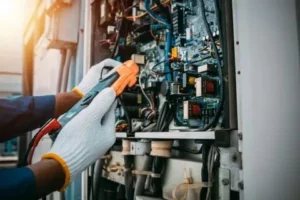
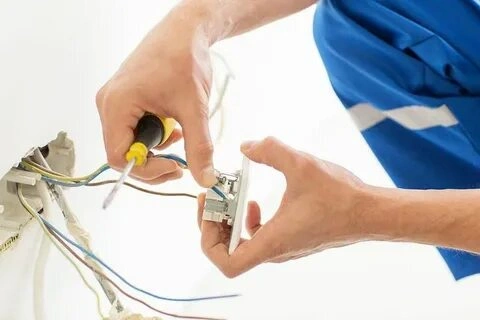
Electrical safety is critical for every household. Defective wiring and overloaded circuits are leading causes of residential fires and structural property damage. Because electrical components are hidden behind drywall, recognizing external warning signs early is vital for keeping your family safe.
Here are 7 major electrical warning signs that indicate it’s time to bring in a licensed electrician:
1. Frequently Tripping Circuit Breakers
Circuit breakers are designed to shut off power when a circuit carries more electrical load than it can safely handle. If a specific breaker trips repeatedly every time you turn on an appliance, you likely have an overloaded circuit or a dangerous short circuit somewhere in the wiring.
2. Flickering or Dimming Lights
Do your lights flicker or dim whenever the refrigerator compressor turns on or you start the microwave? This signals that high-draw appliances are pulling excessive power from shared circuits, or that your main electrical panel lacks total power capacity.
3. Warm, Discolored, or Scorched Outlets and Switches
Outlets should never feel warm to the touch. If an outlet, switch plate, or surrounding wall feels hot, shows dark soot marks, or produces small sparks when plugging in a device:
-
Unplug everything connected to that outlet immediately.
-
Turn off the circuit breaker powering that room.
-
Call a certified electrician straight away.
4. Buzzing, Sizzling, or Humming Noises from Electrical Points
A properly functioning electrical system operates silently. Sizzling or buzzing sounds coming from outlets, switches, or inside the breaker box indicate loose wiring connections or dangerous electrical arcing (where electricity jumps across loose contacts).
5. Burning Odors or Plastic Smells
A distinct burning plastic or ozone smell coming from appliances, switches, or walls is an emergency. It means wire insulation is melting due to excessive heat, presenting an immediate fire risk.
6. Burning Out Lightbulbs Frequently
If lightbulbs in your recessed lighting or fixtures burn out far quicker than their rated lifespan, you may be facing loose fixture wiring, excessive voltage fluctuations, or improper bulb wattage ratings.
7. Lack of GFCI Outlets in Wet Areas
Ground Fault Circuit Interrupter (GFCI) outlets are designed to shut off power instantly if water touches the outlet or if current leaks. Homes lacking GFCI outlets in high-moisture zones—such as kitchens, bathrooms, basements, and outdoor areas—are at risk for electrical shock.
Don’t Risk Electrical Hazards!
Protect your home and family with certified expertise. [Connect with vetted, licensed local electricians on Safe Spruce today!]